
S5 · E6 7th October 2026
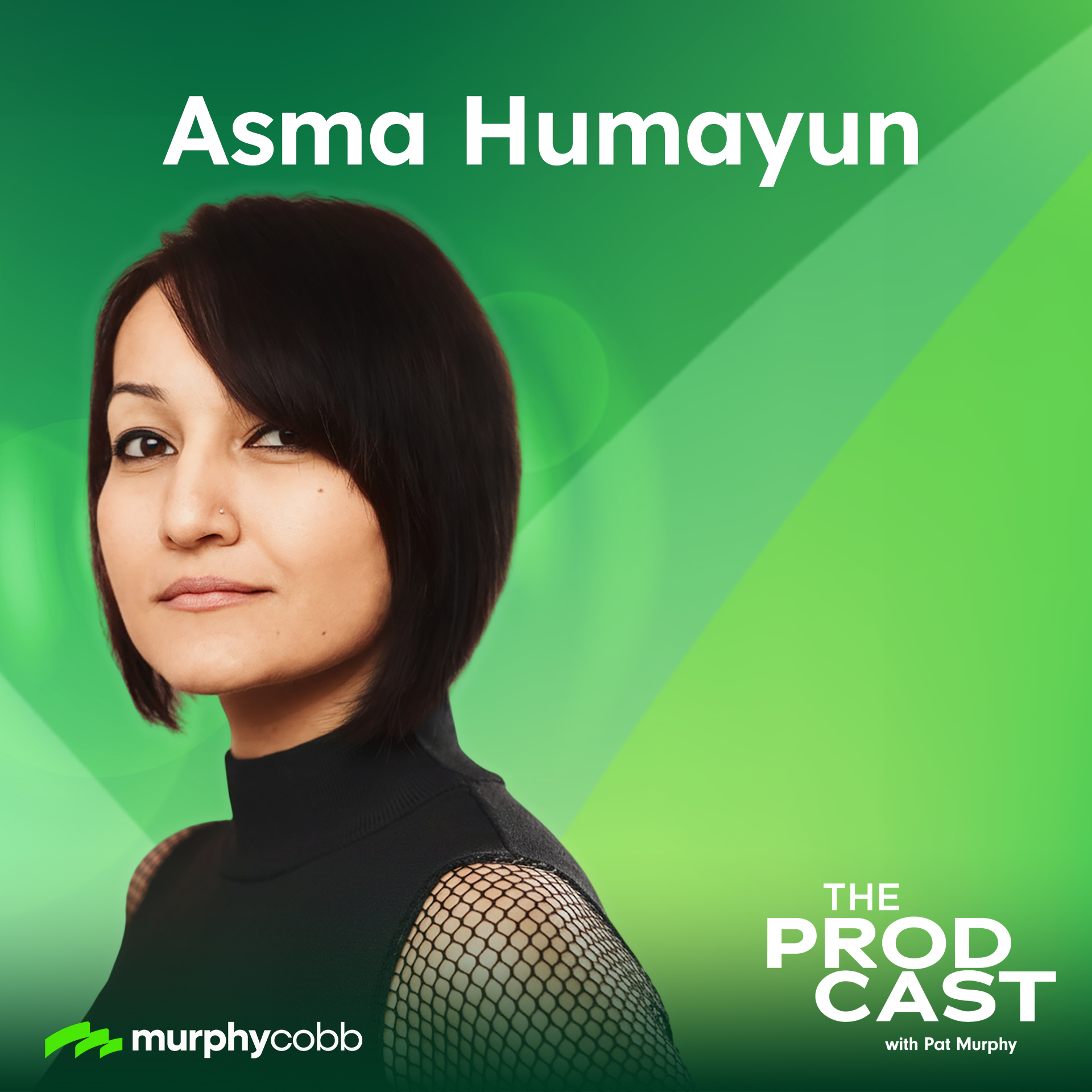
Asma Humayun
A Small Fish in a Sea of Sharks
— Watch the Episode
— Show Notes
A Small Fish in a Sea of Sharks
This week on The MCA Prodcast, Pat Murphy is joined by Asma Humayun, Founder and Global Creative Director of Shiny Toy Guns, Pakistan’s pioneering female-owned production company, now expanding into the UK. Asma began as an art director five days out of art school and rose to executive producer and partner, before building a body of work that includes Pakistan’s first Cannes Lions Grand Prix for Good and a Glass Lion for Change. In 2026 she became the first Pakistani filmmaker to sit on a Cannes Lions Film Craft jury while also speaking at the Festival.
Asma talks candidly about being her family’s ‘black sheep’ – the only creative in a house of businesspeople – and credits her late mother, herself a poet whose own creative ambitions were shelved after marriage, with fighting to send her to art school instead of business school. That backing, she says, is what let her stay in an industry where she was often the only woman on a set of a hundred-plus men, in a country where more than half of girls never make it to school at all.
A decade ago Asma set up Shiny Toy Guns because there were no women running production companies in Pakistan’s advertising industry, and no mentors for her to learn from. She built it as a platform for other women, deliberately hiring more of them onto every crew, and later founded Roar Collective to spotlight female creative talent worldwide.
Asma recalls two films in particular, both made for Impact BBDO Dubai on little or no budget: the EBM Schoolgirl Newscasters, in which formerly illiterate girls took over a real prime-time news broadcast to campaign for girls’ education, and Pakistan’s first Cannes Lions Grand Prix winner, a film about child marriage that Asma partly self-funded and edited herself. She talks about the extra soul that comes from projects made with no budget to hide behind, and the feeling of watching a film she cut at her kitchen table play on the big screen at Cannes.
Pat and Asma also get into why brands keep chasing scale over simplicity, her deliberate year inside MullenLowe Rauf to understand the agency side, and why – as a millennial who has already lived through the shift from film to digital – she isn’t remotely worried about AI. She closes with her advice to any young woman with talent but not yet the permission, money or connections: “Be brave. Have the courage to say what you want to say … don’t be afraid to be different.”
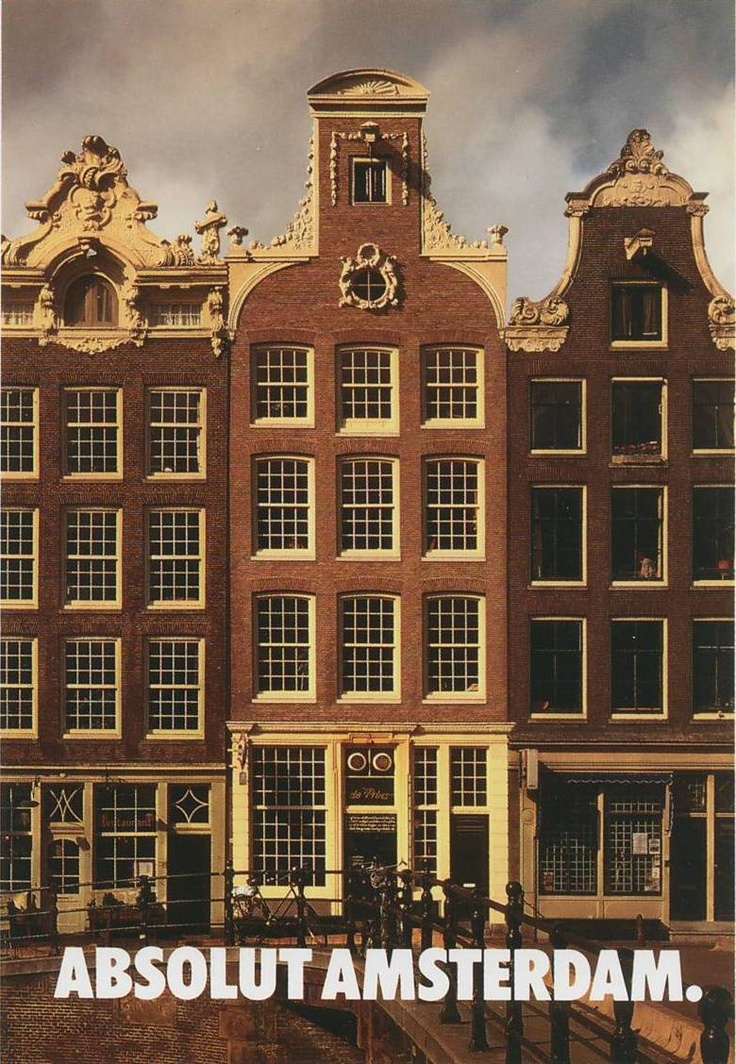
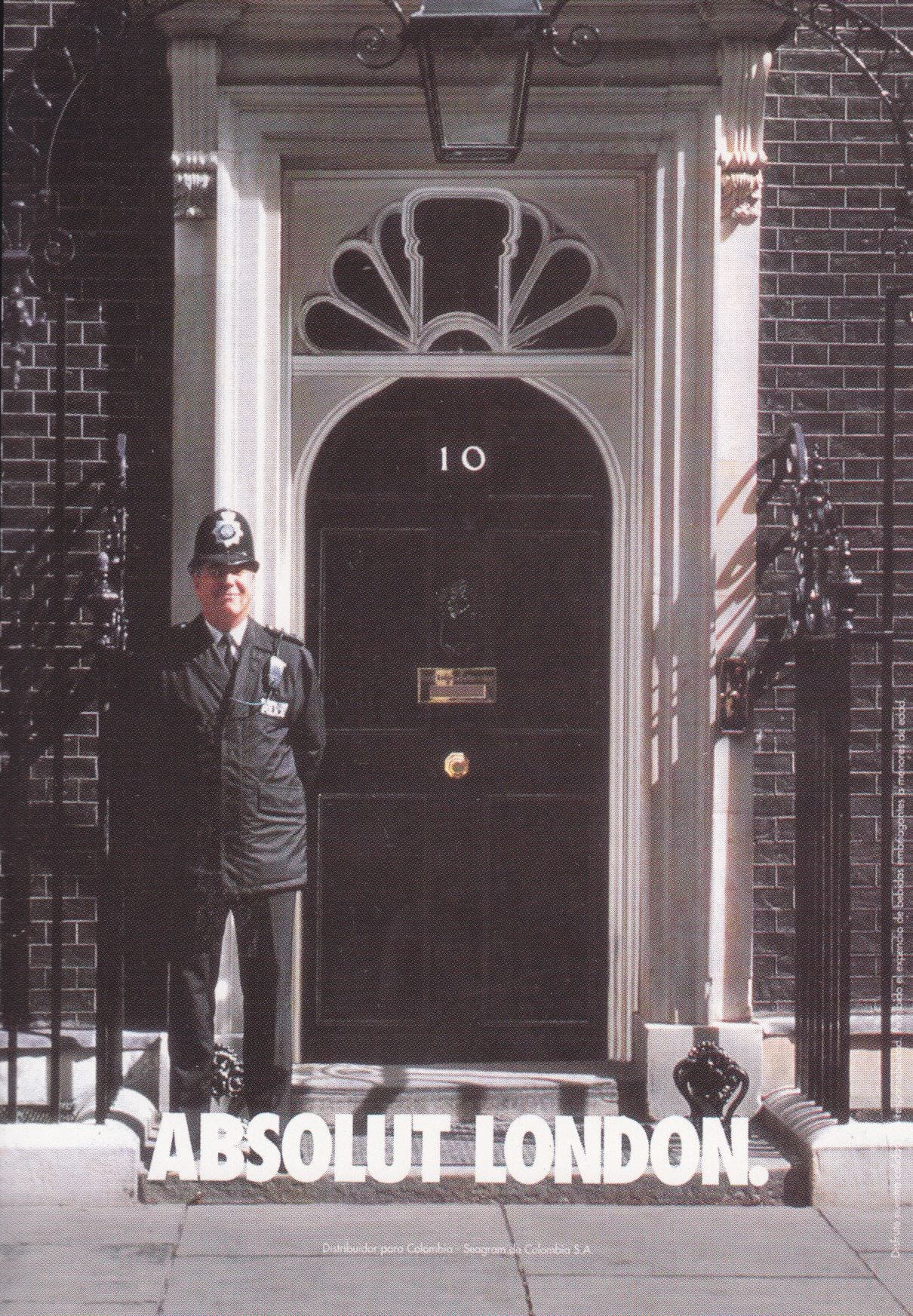
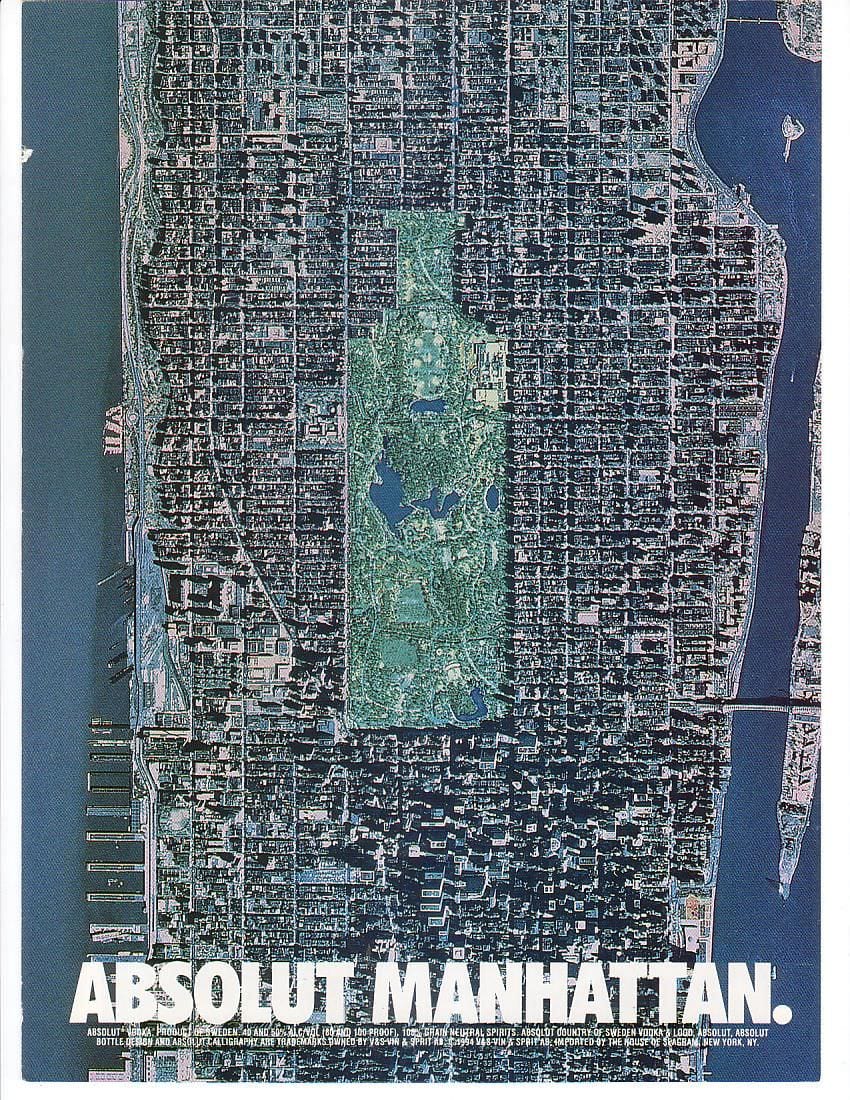
See Asma’s favourite ad: Absolut Vodka – Absolut Cities
Hosted by Pat Murphy
Connect with Murphy Cobb and The Prodcast:
Murphy Cobb & Associates | The Prodcast | LinkedIn | Instagram | Email
— This Week's Guest
Asma Humayun
Founder & Global Creative Director - Shiny Toy Guns
— Asma's Favourite Ad
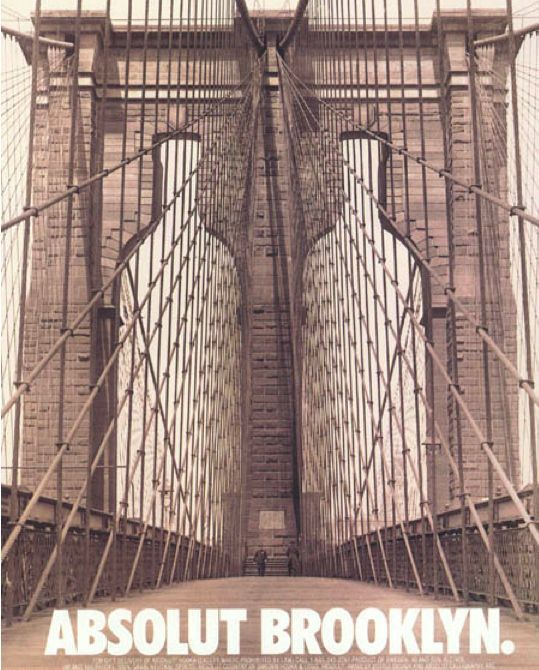
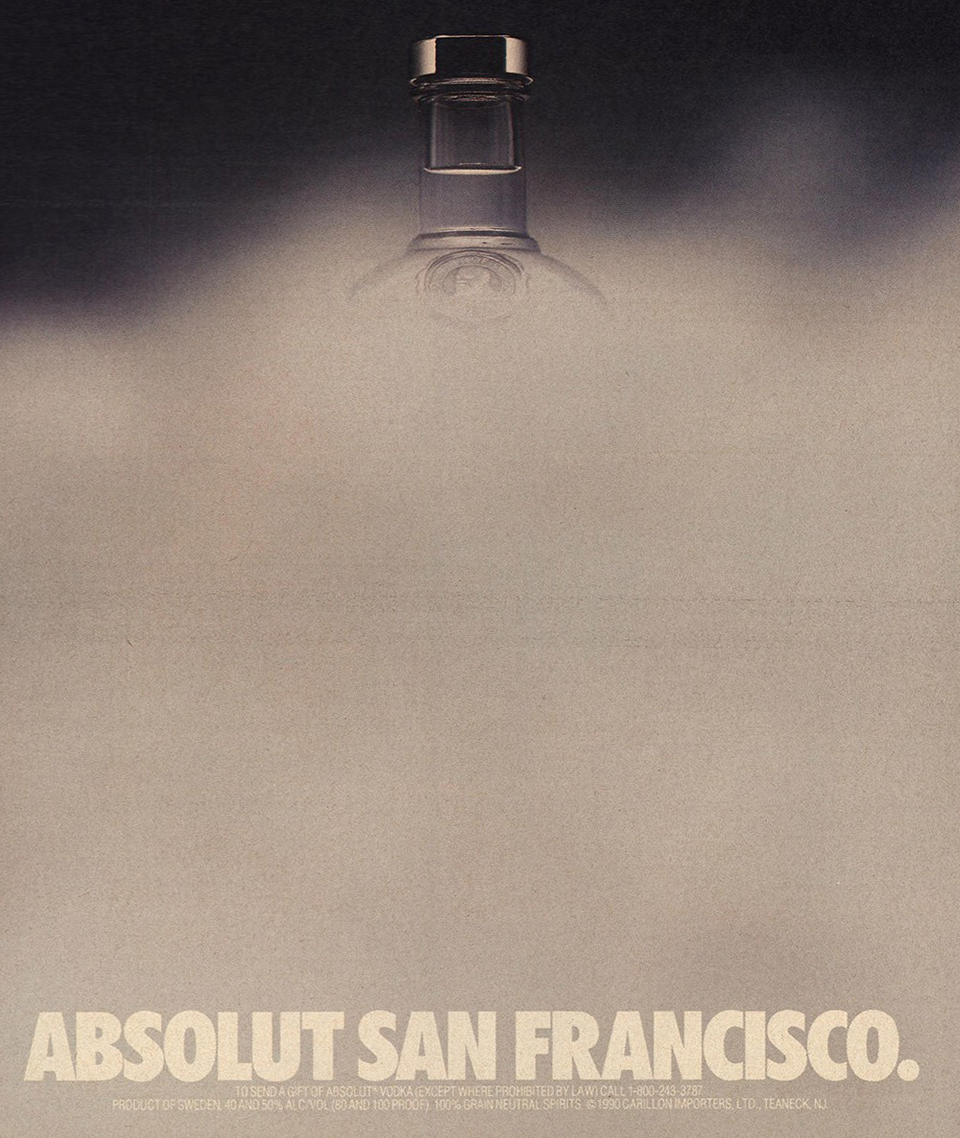
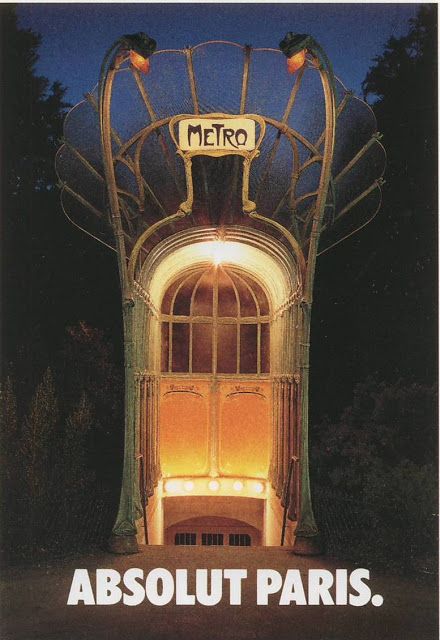
Absolut Vodka - Absolut Cities
— Full EPisode Transcript - Expand to read and search
— Full EPisode Transcript - Expand to read and search
Pat Murphy:
Hi and welcome to The Prodcast, your fix for everything innovative in advertising and production. I’m Pat Murphy, and I’ve been working in this industry for more than 35 years now. I’ve seen a lot of changes, but trust me, there’s plenty more around the corner.
Each week on the podcast, you’ll hear from one of the movers and shakers shaping the world of advertising and production for the future. And we’ll dive into some of the key challenges facing our sector today and how we’re best placed to overcome them.
Guest today is Asma Humayun, founder of Shiny Toy Guns, director, producer, and creative entrepreneur. Her route into the industry is rather more interesting than the usual agency to production story.
She began as an art director at one of Pakistan’s leading production houses, later becoming an executive producer, head of local and international production, and eventually a partner.
Along the way, she deliberately spent a year at MullenLowe Rauf, returning to production with a much broader view of the business. Asma produced commercials across eight countries.
She then spent a decade building Shiny Toy Guns in Pakistan, and this year the company is opening its doors in the UK. She also founded Roar Collective, a global platform amplifying the voices, stories, and creative work of women across the creative industries.
So there is quite a lot to get into. Creativity, Pakistan, leadership, international production, and a spot of bravery along the way.
Asma Humayun:
Thank you so much for having me.
Pat Murphy:
Now let’s rewind a bit. A few weeks ago, we were in Cannes. I didn’t see you there, but you were making some waves, because everyone told me about you.
Asma Humayun:
I’m just so honoured to hear that, really.
Pat Murphy:
So what were you doing there? I think you were judging, I believe.
Asma Humayun:
I was on the awarding jury, yes, and I was a speaker as well. So I was the first filmmaker from Pakistan to be on the awarding jury and speaking. So maybe that was a part of it.
Pat Murphy:
Yeah, fantastic. Now this is the first time we’ve ever spoken, so I feel truly honoured that you’ve chosen to come onto my podcast. I was really excited to have you here because it’s going to be a really different conversation and also gets back to the world of production. Let’s start with the obvious question. Shiny Toy Guns. Where did that name come from?
Asma Humayun:
So me and my partner at the time, we were just talking, trying to set up a new company, thinking of what to do. And we thought, okay, so what do we do really? We shoot people, right? So what do we shoot with? We shoot with cameras, we can shoot with guns, but that’s such a negative connotation.
But we said, okay, we can keep the word guns, but then how do we make it more appealing and less threatening? Because at the end of the day, it’s a business, right? So you don’t want to be confused with an arms dealer.
So we made it into a toy, and toy guns, just something was missing, and Shiny Toy Guns came along.
Pat Murphy:
Amazing. Thanks for that clarification. But before Shiny Toy Guns, before the awards, take me back to the beginning. You started as an art director.
Asma Humayun:
Yes, I did. I was fresh out of art school, and at that time there was no film school in Pakistan. So I had a minor in film in my art school, but my major was communication design, which was based on graphic design and advertising.
So I didn’t know exactly where to go, right out of art school. And I ended up… I think I was at the, you know, when you say you end up being at the right place at the right time, sometimes.
I just walked into the door of the biggest production house in Pakistan at that time, and I didn’t know what to expect because I was just fresh out of art school.
Literally five days after graduation, I walked in and I said, you know, I’ve just graduated and I love films and I’ve been doing this and that.
And my boss at the time just said, okay, well today was your first day. Right, just like that. Like, okay, what do I do? Just like that.
And I called my mum, I remember, and I said, hey, I’m not coming back home, because it’s my first day, apparently.
Pat Murphy:
That’s amazing. Yeah, so you and I have something in common there, because I went to art school and I studied film at art school. So exactly the same. I went to Maidstone College of Art, now part of the University for the Creative Arts. You mentioned that you’re in London — you’re now living in London, isn’t that the case?
Asma Humayun:
Yes, yes, I am. Yes, that’s right.
Pat Murphy:
When did you come from Pakistan to live in London?
Asma Humayun:
I moved four years ago. So not too long.
Pat Murphy:
So you’re running the new operation out of London?
Asma Humayun:
I haven’t started that yet — still in the baby steps, the early phases, right now, but I’ve been running Shiny Toy Guns all the way in Pakistan from here. Yes, I travel quite a lot.
I do all the prep work from here, the post work from here, and I travel for shoots. So I usually have like two-day trips.
Pat Murphy:
Wow. And you mentioned your mother. How much of an influence has your mum been over…
Asma Humayun:
My mum recently passed, last year. It still seems very recent. But she was, I think, the biggest support for me all my life, you know, considering that Pakistan is an extremely patriarchal society, right, and more than 50% of women don’t even get to go to school, because families prefer to send their sons to school instead of their daughters, which they don’t feel is important, which is really, really sad.
But I belong to a family — I think I was really blessed to have a mother who never clipped my wings in any way. She saw I was very different, because there was no… I was literally the black sheep of the family. There was no one into art in the entire family, everyone was doing business or other things, but I was not from the traditional cookie-cutter mould, and I always did things differently.
But my mum encouraged that. She never asked me to change, to fit into a box, just how society actually wants women to do in my country, traditionally. And in fact she even fought for me in so many ways, because I remember my mum was an artist as well — not a painter, but she was a poet and a writer, and so was my grandfather. But when my mum got married, the family told her that she wasn’t allowed to pursue that path anymore, so her creative side was meant to fall asleep. And I think she saw that spark in me, and I think she made it a point to actually not stop me from doing any of that.
And I remember I was really good in studies. I loved academics, I still do. And I remember my dad kept saying, you know, I should go to business school, but I remember so clearly that my mum fought for me to go to art school, because she said, no, she needs to go there.
And if it weren’t for her, I wouldn’t be here today, in any way, if it weren’t for her support. So yeah, she was my biggest cheerleader.
Pat Murphy:
Fantastic. And when you started working in the production company, that first day, you were going into quite a male-dominated environment. How was that for you?
Asma Humayun:
Sadly, you know, you would think that things would change after so many years, but even now the film industry is a predominantly male-dominated profession, and not just in Pakistan, but in so many countries. Which is sad. I hope it changes at some point.
But one thing about me was that I never got scared. I always thought of things as a challenge, you know. I think a challenge fuels me.
And I was there, I remember, and at that time there were literally no women, and I would be one female, like one 22-year-old, in a crew of like a hundred-plus men.
And it was challenging, of course, but I loved it. I love the challenge.
I love that I was getting to do something I loved. And, of course, it was a bumpy ride in the beginning, because people wouldn’t take me seriously, people weren’t listening to me at all, but then I eventually rose. I kept working, I kept struggling, and it was all a hustle.
Pat Murphy:
And you became an executive producer.
Asma Humayun:
Yes, and a partner in the same company. So, yeah. I did everything over there, which was, I think, the best place to start as a filmmaker, because I did art direction, I did styling and wardrobe.
I did literally everything, and that’s how I became a producer, because I knew how to supervise all the other departments, because I knew them and I had done them.
Pat Murphy:
I think in the end you just wanted to do all the jobs.
Asma Humayun:
Yes, I wanted to do everything. So I even took a sabbatical and went to film school in New York. Just to learn direction and all that, because I wanted to do things the right way. Like I said, there was no formal training in Pakistan for filmmakers at the time.
People were just doing it by ear. And I felt that I wanted to learn from actual film schools and see how things are done differently.
So yeah, I went to a school in Milan and studied fashion for the screen. I went to Central Saint Martins. I kept going to colleges the world over to learn these things from the best of the best, and then come back with that knowledge and apply it. I’m an eternal student.
Pat Murphy:
You were the eternal student.
Asma Humayun:
Yes. Yeah, exactly.
Pat Murphy:
We’re all eternal students, really — every single day we’re still learning. I always find… I’ve learned, I mean, when kids are leaving school, they kind of think that’s it, they’re done with their education. But actually you’re only just starting out with your education.
Asma Humayun:
Yes, of course. Whenever you learn something in school, you don’t remember it at all, do you?
Pat Murphy:
That’s true. I don’t remember anything. When I’m going through my son’s maths, I don’t know how to do that.
Asma Humayun:
Exactly. I feel the same way. Whenever my daughter asks, mum, can you help me? No idea what you’re saying.
Pat Murphy:
So you’ve been running Shiny Toy Guns now for, is it a decade or so? It’s terrifying to set up your own business, right? Did you get scared when you were doing this?
Asma Humayun:
Shiny Toy Guns, I felt, was important to do. Not because there weren’t enough production companies in Pakistan, but because there were no production companies in the advertising sector being run by women.
And I always felt, when I started out, I didn’t have mentors, I didn’t have people to look up to. I literally had to find my own way and do things however I could, however best of my knowledge.
And I felt that I wanted to have a platform to give up to other women, so that it’s easier for them to navigate this terribly difficult industry.
And I made sure that in every project I do, I give a chance to new people, and I want to bring more women in — I always say, no, okay, there are too many men in this crew, let’s get more women in.
And I make sure that I give a chance to all those people who don’t get a chance otherwise. So this was the thinking behind Shiny Toy Guns — that I literally wanted a platform to promote other female filmmakers.
Pat Murphy:
And in those early days, what are the kind of things that you screwed up, what did you get wrong?
Asma Humayun:
I was really blessed, I feel, because I was in that other company as a partner, so I was literally the mother hen, and I already knew how to run a business. It’s not like I didn’t have any prior training, I was already doing that, I felt, and that’s when I felt, okay, maybe I can do this on my own — because everyone told me otherwise, everyone discouraged me, every single person besides my parents, because they had no idea what I was doing. As creatives, I feel it’s difficult for pare nts to understand what you’re doing exactly. They just knew I travelled a lot and I shoot films, but they don’t know exactly what a producer does.
Right? Yeah, no idea. They would just say, yeah, she made this, but what did she do — was she the actor? No. Was she behind the camera? No. But she was there, though, she did something.
So yeah, I had that backing, and by that time I already had so many connections. I believe in having really, really strong connections with people, on a personal basis.
And I think that stood me in good favour, because I had those connections, and people didn’t want to work with my company, they wanted to work with me. So when I said, okay, there’s a project, they would come to me.
They wouldn’t care who the crew was or who I was hiring for the project, they would trust me with the project.
And I think those relations really helped me gain confidence, and to be more brave about what I was doing. I literally did not realise what I was doing till I was actually doing it.
Pat Murphy:
Yeah, I mean it’s very similar in this business, the business that I run. Because it’s been very reliant on my relationships with a lot of the clients. It’s exactly the same thing, and they trust you a hundred percent. So it’s exactly the same.
We hear a great deal about diversity in our industry. But I always have a slight question mark over how much of it is genuine. So what’s your thought on that?
Asma Humayun:
Absolutely. I am with you a hundred percent. I feel that we keep talking about inclusion and diversity, but like I said earlier, it’s 2026 and I don’t see the needle moving too far, even now.
Pat Murphy:
Yeah, yeah. I think it’s moved backwards.
Asma Humayun:
Exactly.
Pat Murphy:
The last couple of years, I think it’s moved backwards. And even companies that we work with — they’d taken a very strong stance in previous years. In the last couple of years, it’s taken a lesser role than it used to. And I think that’s a great shame.
Asma Humayun:
It is, it really is. And you feel it. There’s a lovely NGO that my friend runs called People Like Us, and it’s all about this — you know, companies appear to be very diverse and inclusive, and then at the end of the day, that’s just a line that they say.
Pat Murphy:
Yeah. Well, it’s a little bit like sustainability, another thing, right? Fashionable, they say it, right? But when it goes out…
Asma Humayun:
Yeah, it’s very sad, though. A long time ago I also did my master’s — from the Met Film School, later on in my life. When I left my first company, I came to London to do my master’s.
My daughter was two at the time, I remember. And that’s when I did a documentary on Directors UK, and it was all about women’s representation in the industry.
And the percentage that I found through that documentary, it was so scary. I felt only Pakistan was very behind in these things, but to think that there are only 5% women directors in the entire film industry in the UK was such a daunting thought. I thought that was rather a lot compared to the rest of the world, but it is a shocking statistic, it really is. My eyes really opened when I did that documentary, because I thought things were bad in other parts of the world, but it’s quite bad the world over, sadly.
Pat Murphy:
So is that one of the reasons why you set up Roar Collective?
Asma Humayun:
Yes, 100%, because I feel there are so many unsung heroes, and you always see men going up to the award shows, men doing this — I’m just so tired of seeing men all the time, you know?
And me coming from my background, I always want to promote women, and I felt there was no… again, when you’re coming from Pakistan, you feel that things are inaccessible to you, right? You know, when you think of Cannes Lions, I was a first filmmaker there, but that doesn’t mean I’m the best of the best. No, I’m just brave enough to actually access those things.
I took the initiative, I wrote a long content proposal for them to read through, but I bet other people didn’t do that because they feel it’s a star in the sky, too far away from you, inaccessible.
And I felt that when I did Shiny Toy Guns, as well as Roar Collective, that I wanted this platform to be accessible to everyone. Whoever wants to share their story — it’s completely coming from the heart, and there’s nothing in it for me. But I just really enjoy connecting with people and giving a platform to women to shine.
Pat Murphy:
It’s an amazing initiative. And I was wondering if there’s a woman, or a piece of work, that you’ve discovered through Roar that made you think, why on earth hasn’t the industry known about this person before?
Asma Humayun:
There was a really interesting artist I came across on Instagram, actually — scrolling, I just saw her work and she was amazing.
I connected with her, and it turns out she was only 23 years old, living in Canada, about to graduate from college, and she’d worked with big artists like Olivia Rodrigo while studying in college. And nobody knew — her artwork was on all her merchandise, Olivia Rodrigo’s merchandise, on her vinyls, everything, and no one knew about it.
I came across her work and she was fantastic, and I said, you know, I really want to showcase your work on my platform.
And she was, of course, so excited to share her things, and it turns out that she’s worked with so many amazing artists and no one knows about her. Such a shame. But yeah, that was a very pleasant surprise.
Pat Murphy:
Now you’ve mentioned her on my Prodcast — everyone’s going to know!
Asma Humayun:
Yeah, exactly. That’s great, right? It’s just wonderful. And people should get the spotlight like that. Yeah.
Pat Murphy:
I have to talk about a couple of pieces of work you’ve done. One of them is the EBM Schoolgirl Newscasters, which was amazing — where formerly illiterate schoolgirls took over prime-time news broadcasts to argue for girls’ education. In 2023 it won Pakistan’s first ever Glass Lion for Change, recognising work that advanced gender equality. So tell me a little about how this came about.
Asma Humayun:
I think I was again very fortunate to be a part of this project. Like I mentioned earlier, I believe in having relationships and keeping those relationships over years and years. A good friend of mine who’s the CCO at Impact BBDO in Dubai —
he said that we have a concept and we don’t have any budget, and I’m looking for help. The usual thing we hear in production all the time — there’s no budget, can we make it happen?
Pat Murphy:
You know the great thing about those productions with no budget? It means you can more or less do what you want creatively. And so you tend to find those jobs are the most fun things to work on.
Asma Humayun:
Absolutely. I am with you 100% on that. Because not just the most fun, I think there’s more soul in those projects, because you’re doing it from the heart.
And also, I read the concept, and like I said, I love academics, and I was fortunate enough to pursue education in so many different parts of the world, but not many girls get to do that in Pakistan.
Like I said, more than 40% of women don’t even get the chance to go to school. So I heard the concept and I said, okay, I’ve read it, let’s make it happen. Okay, there’s no budget, let’s do it.
I directed it, I produced it — like I said, there was no budget, so I kept everything as close as I could.
So I directed and produced it, and I think I was fortunate enough to be a part of that project, and I thank them for making me a part of it. We all worked very closely together, and I’ve done plenty of collaborations with that Dubai team.
And it’s always been the nearest and dearest to me, because they always have a big social purpose behind it.
Pat Murphy:
Was it the same team, the Impact BBDO team in Dubai, that you did the other one with? The child wedding cars which really moved me the first time I watched it, I thought, wow!
Asma Humayun:
That was very challenging, because that idea was so strong, but they were trying to get it off the ground for two years, and it just wasn’t happening.
They weren’t getting clearances, and nobody was willing to do it. Again, like I said, whenever they’re in trouble — hey, Asma, will you help us out!!!
Pat Murphy:
I’ve been there many times.
Asma Humayun:
Right, yeah, you know the feeling. So as I read it — I have two daughters — and when I read the concept, it just resonated with me so deeply. And I said, this has to be done.
Why isn’t this happening? Let’s make it happen. And again, there was no budget in it at all. So I told them that I was willing to invest in the project as well. So I partially funded that project just to make it happen.
And I directed, produced, and edited that one, because —
Pat Murphy:
I told you earlier you wanted to do everything.
Asma Humayun:
Yeah, to do everything. But then again, all those skills I learned along the way, they never go to waste. You end up using them at some point.
Pat Murphy:
And that campaign was somewhat successful, wasn’t it?
Asma Humayun:
Somewhat, I would say.
Pat Murphy:
Did it have an impact in Pakistan?
Asma Humayun:
Yes, yes, exactly. Again, in Pakistan, to move the needle is extremely difficult, next to impossible.
But we ended up doing something and making a change for millions of girls in Pakistan, which was just — I don’t know if anything can compare to that in my entire career.
The feeling I got when I thought, oh my god, we actually had a little part to play in that. It led to real-world change.
That is just… yeah, that’s what helps me sleep at night when I have to sell cars and teabags and other things between!
Pat Murphy:
Amazing job. And you know, it was Pakistan’s first ever Grand Prix in Cannes as well, yes?
Asma Humayun:
That’s right, yes. But that was unbelievable. I didn’t expect that at all. Again, I did the whole edit on my computer at home.
And it was so simply done, but there was just a lot of heart behind that project – everyone believed in it so much, and we all made it happen and put everything into it. It was just so personal to me.
And to see my film, that I was editing on my computer in the middle of talking to my girls, and doing that, and seeing it on the big screen at Cannes Lions – that was just an unbeatable feeling. I never expected that at all.
Pat Murphy:
Well-deserved congratulations on that.
Let’s move on a little bit and talk about the industry itself. You obviously work with a lot of clients too so what is the biggest mistake that you think brands make when working with a production house? I know they obviously work directly with agencies, but when the production house ends up working directly with a client, what are the biggest mistakes a brand makes?
Asma Humayun:
I feel the biggest mistake that brands usually make is to go big. Because every company I work with always says, oh no, but this isn’t big enough.
You know, they don’t realise the value of less is more, where you can say so much, with so little.
And that’s the reason why the Child Wedding Cards campaign worked so well — because it was so simple. It was literally based on less is more. Saying a lot, but showing so little/
Pat Murphy:
I agree with you a hundred percent there, but I think some of the world’s best pieces of work have always come from the simplest, great ideas.
Asma Humayun:
Exactly.
Pat Murphy:
Executed brilliantly, of course. My favourite ad of all time is the Hamlet commercial with the photo booth. I don’t know if you’ve ever seen that ad. It’s literally one take with one guy in a photo booth. It’s my favourite ad of all time. We’ll talk about yours later, but isn’t that the responsibility of the ad agency, when they’re writing the ad, and not just the client’s responsibility, because it’s really the agency that writes this stuff?
Asma Humayun:
Yeah, the agency, I feel, they’re the middlemen. And sometimes they present ideas which are simple, but they don’t go forward – the client would never accept them, because “this is not enough.”
“We are paying so much money, there’s so much budget, but what are we showing for it?” I feel the agencies are the middlemen here.
I feel, some simple ideas to brands, but the brands wouldn’t go with them, because they’d feel, ‘okay, this is the budget we’ve got, but we’re not seeing anything’.
You know, for example, a man alone in a photobooth. What, the camera’s not moving, why are we paying for the entire crew? So many questions the clients would ask. And they always want to just go big! So I think the agencies are not entirely to blame here. I just feel that they would try. I did my one year in an agency just to see how things work on the other side. I was talking to a lot of agency people and I didn’t know where they were coming from, and then you’d see concepts and think, why would they think of this? You know, it’s like, why are they doing this ad at all? But you’d be the executing party, so you’d end up doing it. But then the reason why I went to the agency was just to see how things were.
And there were so many great ideas that were just shot down by clients, just because they weren’t big enough, or didn’t have the whole nine yards of the big production. “It’s good production.”
So, so yeah — not entirely. I think agencies are to blame a little bit, but not too much.
Pat Murphy:
So your experience inside MullenLowe Rauf — how was that? When you first went in there — because normally it’s the other way around, people go to work in an agency and then go into a production house, but you did it the other way around.
Asma Humayun:
Yeah, I did that just to see how things work on the other side. And I think it really helped me understand where agency personnel come from.
Like when a creative is talking to me about something, I know there’s a long backstory to that. They didn’t just come up with this in one day.
There are so many people involved, and they probably don’t like the concept themselves at the end of the day, but they have to do it, because it got approved, and the client wasn’t happy before that. So it was really interesting for me to work there.
The only thing I didn’t like was the timing, because I’d get done, and what is that? In production, you’re never done, right? You’re always working. And I didn’t really understand like, what do I do now?
Pat Murphy:
Doesn’t sound like any agency I worked at, that’s for sure.
Asma Humayun:
Well, they had very strict timings there. And then, as I was a workaholic, I ended up doing freelance art direction and creative direction for the earlier production houses I was working at.
So I used to make all the PPM decks, the treatments, all the creative. I did all that.
Pat Murphy:
Sounds like you were the production assistant as well.
Asma Humayun:
Doing everything, right? So I ended up… I had two jobs for a whole year.
Pat Murphy:
Amazing. Did you… but you didn’t get paid twice, though, did you?
Asma Humayun:
I was getting paid twice.
Pat Murphy:
You got paid twice, two different jobs, amazing. I need to call somebody for all the ones I do!!
Asma Humayun:
I know. Well, things have changed now, I wish. Well, I was young and I didn’t have children, so I had time to spare.
Pat Murphy:
So look, we have to talk about AI, right? Because no podcast is now legally allowed to finish without doing so.
I know — are you excited by it, are you frightened by it, are you bored by it? What do you use it for in your production approaches? What’s your thought on AI?
Asma Humayun:
A lot of people would disagree with me, but I’m a millennial, okay, so I’ve seen changes happening all my life from cassette tapes to VHS to laser discs, I saw all that happening. So for me, AI is just transitioning, it’s progress, we’re moving forward. There’s a new thing that’s been added to our life, and why be scared of it? I mean, we did all those changes — we went from film to digital, and everyone was like, oh no, we’re never going to be digital, we’ll keep working with film for the rest of our lives. But then, eventually, everyone had to change, right? You move along with the time.
Pat Murphy:
Although I have to say advertising is always the slowest to change, right?
Asma Humayun:
That is true.
Pat Murphy:
Remember when we had to go from film to digital, how long did that take? You had big movies, you had George Lucas making movies in digital, and the advertising industry still took a year or two to change.
Asma Humayun:
Yeah, again, a lot of clients would say, why aren’t we shooting this on film? Because digital’s not good enough. They still say, ‘okay, the small-frame cameras are so great now, why aren’t we shooting on that’?
And then I’d say, ‘okay, let’s shoot on a Sony’. “No, no. We need an Alexa.” Why? You don’t need it, you’re doing reels for Instagram.
Pat Murphy:
That’s so true. So true.
But they’d want that, and I think the clients are to blame for the slow progress as well.
Pat Murphy:
Do you know what, I think that’s the right thing. Let’s blame the clients.
Asma Humayun:
Oh no, I hope nobody’s listening.
Pat Murphy:
Yeah, they’ll be listening. I’m going to get fired.
Asma Humayun:
Oh dear.
Pat Murphy:
So look, you have built an amazing company, you’ve directed important work Asma, and become a visible figure for women in the whole industry. But has it cost you anything? Has success cost you anything at all, personally, professionally?
Asma Humayun:
Of course. Nobody likes a woman who’s doing things like that. “How dare she?”
Pat Murphy:
I do —
Asma Humayun:
oh, that’s lovely! A small fraction do. But yes, I have a lot of haters. A lot of people want to push me down all the time, because I’m a small fish in a sea of sharks.
And I want to make a difference, and people don’t want to change. They’re so heavily set in their ways. They don’t like somebody making noise.
And I make noise, and I want to change things, and obviously that comes with its own set of baggage, doesn’t it?
Pat Murphy:
Yeah, and what about your personal life? Because obviously, if you’re a workaholic — that, like me, can take a toll.
Asma Humayun:
Oh yes, for sure, of course. And relationships were always on the back burner, because my work – I was married to my work. So yes, of course, it does cost.
I think a lot of creative people are just always working, because you don’t realise you’re working, but your mind is always working, you’re always doing things and creating things, and at the end of the day, it does take a toll.
But I’ve been blessed to have two wonderful daughters who share that creative gene with me. They love writing, they love creating, they love making music and creating things.
And I feel that to have somebody in my life like that who understands that – my kids see that and they like it, and they understand now, because they do the same thing. My daughter goes for hours writing poetry and songs and stories, in her room. And I think they understand where I come from now, because they’re pursuing the same path as me.
Pat Murphy:
Now, I’ve heard not only are you a great creator at work, but you’re a great creator at home in the kitchen. Am I right?
Asma Humayun:
Well, like I said, when you’re a kid you have all this creativity and you don’t know what to do with it. So I ended up learning so many things. I know how to stitch, I know how to bake. I did master classes, actually – I went to an actual baking academy and became a master baker. So I make all those realistic cakes that you see on TV. I can do all that.
Pat Murphy:
Realistic cakes. I love that show on Netflix, what’s it called?
Asma Humayun:
Right! Is it cake!
Pat Murphy:
Is it cake, that’s it!
Asma Humayun:
And whenever my kids see that, they’re always like, ‘oh mum, you can make that, oh you can make this’. And it’s fun to do it with my kids as well, because it’s like play-doh that you’re working with, and we’re all creating together, and we’re listening to music. So it’s a very bonding activity that we do together, like baking at home.
Pat Murphy:
So your whole household, as well as at work, is just an environment of creativity.
Asma Humayun:
Yeah, well, yes, of course, because it’s an amazing outlet, right? It can come out in so many different ways, like —
nowadays we’re really into gardening. So now we’re trying to do colour-coordinated flower beds, and it just comes out in ways. And I’m blessed to have daughters who feel the same way about these things, getting excited about flowers, and planting, and let’s do this now, let’s paint. And we actually run an Instagram page for recycled art. A lot about making art from recycled materials. We run a page together on Instagram, me and my daughter – it’s called Arty Little Owl. And we teach and give tutorials to children on how to create things out of recycled materials.
Pat Murphy:
Amazing, amazing. And what’s around the corner for you now? Have you got anything on your bucket list that you still want to learn?
Asma Humayun:
Of course. The whole world is so full of things to learn, isn’t it? And that’s the most beautiful thing – learning. I think there’s nothing more beautiful than learning. So yes, of course, there are so many things to learn. And like we were talking earlier, I would love to learn a new language, I would love to learn how to play an instrument. You know, there’s so many things. And I hope I get the time to do that at some point.
When you’re younger, you don’t realise what a luxury it is to have time on your hands, to do things.
And now you struggle to find time, and I always tell my kids, oh my god, I wish this day was longer, because there’s just so much to do. And I wish I had time to paint more, create more, and learn more. But one day.
Pat Murphy:
One day. That’s one of the reasons why I made a move to a different country, so I would have time to paint and draw and do photography as well. So I live in Portugal now. And you know, the reality is it doesn’t happen, because you’re still so busy doing the other stuff. But you do have to find the time to do that, and schedule it, actually schedule it in the diary, still.
So Asma, what advice would you give to a young woman in Pakistan today who has the talent, but not yet the permission, or the money, or the connections? Where would somebody like that start?
Asma Humayun:
Yeah, permission is the biggest part there.
Pat Murphy:
But you got over that. You managed to get through that.
Asma Humayun:
Yes, because, like I said, I was very lucky to have the privilege of a family who supported me, right? When I said, oh, I want to go to New York to study, they didn’t say no, you can’t go.
But 90% of women won’t get that chance. So, in fact, that privilege is something I never took lightly, and that’s one of the reasons why I did the Schoolgirl Newscasters film —
because I felt that, you know, I had that privilege, but what about the other girls who never get the chance? I want to do something, I want to make a difference, I want to change things. And it gave me that spirit, instead of just saying, oh yeah, I’m privileged, I did this. No – I want to do things, I want to change things and make a difference.
Number one would be, be brave. Have the courage to say what you want to say, whether it’s in your family, or with your partner, or with the world around you.
Everyone will discourage you from pursuing the arts, because it feels like a waste of time and a waste of money. But the advice I would really give to most women is: speak up.
Use your voice, because your voice has power, and people don’t realise how powerful it is just to speak up and to reach people. I spoke at Cannes Lions about this. It was all about connections, and how you feel different, right? Don’t be afraid to be different. And my whole talk was about feeling like a black sheep, feeling alone in a crowd and that’s what you feel as a creative, that isolating, lonesome feeling, sometimes you feel like you’re misunderstood. And a lot of women feel like that. They think, okay, I need to be a certain way, let’s just fit into a mould, it’s safer. So don’t be afraid to be unsafe and take risks.
Pat Murphy:
That bravery thing, yeah.
Asma Humayun:
Yes, very, very important. Most important.
Pat Murphy:
I could talk to you for hours. I think we’re going to get a chance to spend some time together. But I do have to come to an end on the podcast. So I’m going to end up asking you finally — the question we ask everybody on this podcast — what’s your favourite ad of all time, and why?
Asma Humayun:
Okay, so I’m coming from a graphic design background, like I mentioned, and I remember when I was a kid growing up in Pakistan, we would get Time magazine every month, and at the back of the Time magazine was the Absolut Vodka ad, and every time I would look forward to it so much, because I felt that campaign was so brilliant.
And again, as you were talking about less is more. It was all about using less is more. I still remember one of the back covers I saw, it was Absolut San Francisco, and in that, the only thing they did was make the bottle disappear behind clouds, and that was it – it said Absolut San Francisco, and it said so much about that city without saying anything. I thought that was brilliant, and that’s one of my all-time favourites. Even now, I look forward to the Absolut campaigns, and they did something so simple. Even now, there was, if it was one of the entries at Cannes Lions this year, it was about a volcano, and the bottle just gets formed with the lava. And that was brilliant. They don’t have to say anything or sell anything.
It’s just the shape is so iconic now, because of what they did. So yes, I think for me, it was the top of the top. Say more by saying less.
Pat Murphy:
Beautiful design. Absolut Vodka. We’re going to stick it up onto the Prodcast website. Thank you so much for that suggestion. And, Asma, it’s been a true pleasure. Thank you so much for being here. Thank you for being you and what you’ve done. It’s been great.
Asma Humayun:
No, thank you so much for having me. I love talking to you, and I hope you’ll come and see me whenever you’re here in London.
Pat Murphy:
Oh, definitely.
Today I’ve been talking to Asma Humayun, founder of Shiny Toy Guns and Roar Collective, and a director and producer whose work has made history for Pakistan at Cannes.
After a decade building Shiny Toy Guns at home, she’s now taking the company to the UK and creating new opportunities for talent and ideas to travel between markets. Her work proves that brave creativity can do rather more than sell things – it can make people stop, think, and sometimes change the conversation completely.
If you have comments, questions, or feedback, email us at podcast@murphycobb.com. I’m Pat Murphy, founder and CEO of MurphyCobb. You can connect with us on LinkedIn, and all the links are in the show notes. Thanks to Asma, the team at Murphy Cobb, and our production partners at What Goes On Media. Thanks for listening.
See you next time.